


In this series, we aim to break down predicted trends in architecture and design for 2024.
Although a trend suggests something that is only popular for a finite period, the trends discussed in this series rather highlight the exciting adaptations and continued change in architecture and design as we enter a new year, addressing key issues as the driving force behind the development.
In 2024, the design and construction industry will continue to prioritise architectural sustainability as a major topic.
With the growing recognition of how important it is to reduce our carbon footprint and limit the effects of climate change, architects play a major role in the discussion.
In this series, we aim to break down predicted trends in architecture and design for 2024.
Although a trend suggests something that is only popular for a finite period, the trends discussed in this series rather highlight the exciting adaptations and continued change in architecture and design as we enter a new year, addressing key issues as the driving force behind the development.
In 2024, the design and construction industry will continue to prioritise architectural sustainability as a major topic.
With the growing recognition of how important it is to reduce our carbon footprint and limit the effects of climate change, architects play a major role in the discussion.
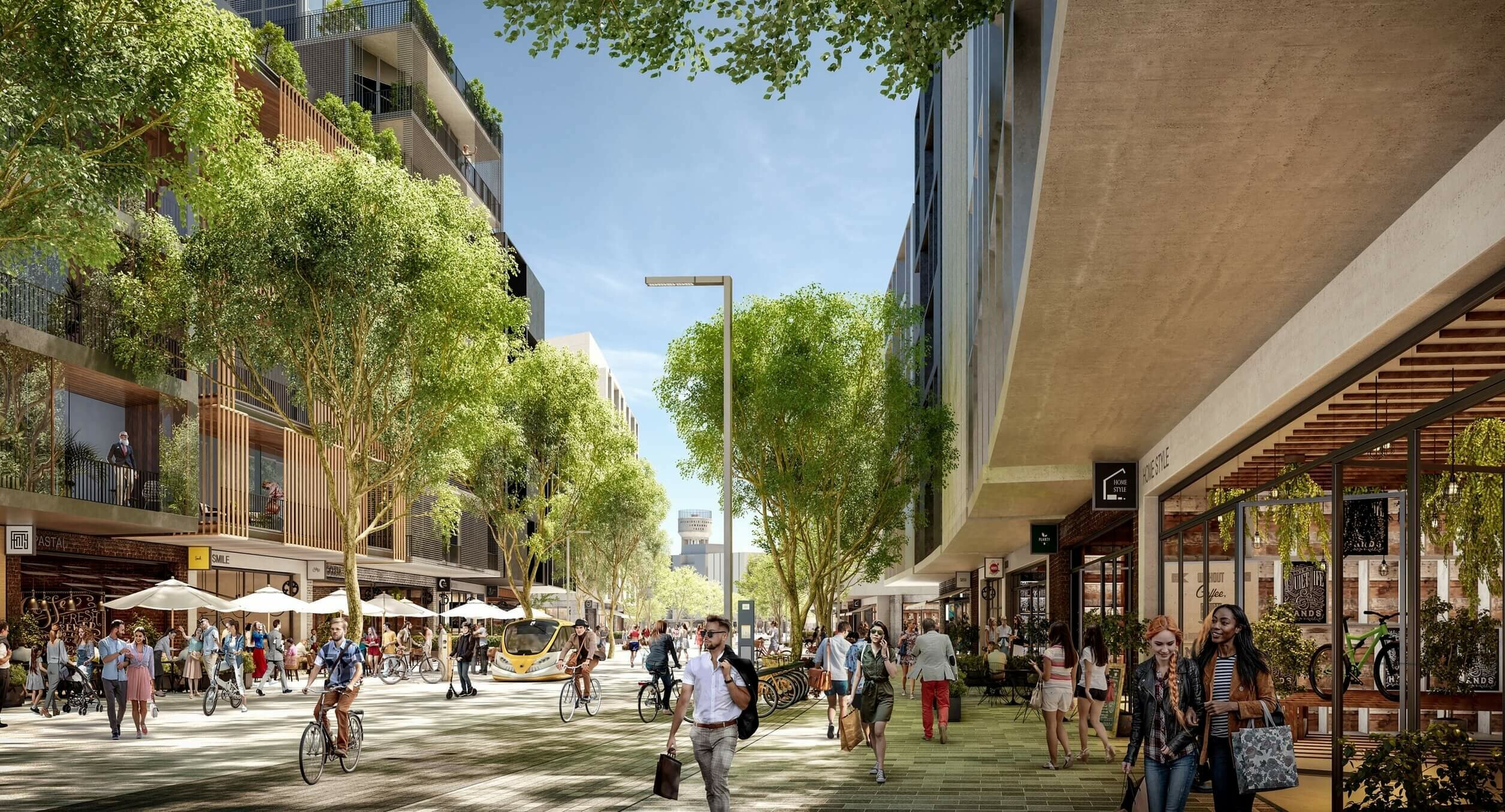
CO2 emissions and greenhouse gases are becoming an increasing concern in many industries, architecture being a notable past contributor. Architects are determined now more than ever to reduce the effects through these methods:
Buildings and construction have a significant impact on the environment, consuming vast amounts of resources. Sustainable design aims to minimise resource depletion by introducing energy-efficient systems and thoughtful resource management, to help to reduce the overall carbon footprint of buildings.
Construction and operation of buildings contribute to greenhouse gas emissions. Sustainable architecture focuses on minimising carbon footprints through eco-friendly materials and renewable energy sources
Sustainable design promotes long-term resilience. As we face the challenges of climate change and depleting resources, architects are now ensuring that they are building with permanence in mind. Creating places that are resilient and well-considered limits the need for constant maintenance and development in the future, reducing carbon emissions.
CO2 emissions and greenhouse gases are becoming an increasing concern in many industries, architecture being a notable past contributor. Architects are determined now more than ever to reduce the effects through these methods:
Buildings and construction have a significant impact on the environment, consuming vast amounts of resources. Sustainable design aims to minimise resource depletion by introducing energy-efficient systems and thoughtful resource management, to help to reduce the overall carbon footprint of buildings.
Construction and operation of buildings contribute to greenhouse gas emissions. Sustainable architecture focuses on minimising carbon footprints through eco-friendly materials and renewable energy sources
Sustainable design promotes long-term resilience. As we face the challenges of climate change and depleting resources, architects are now ensuring that they are building with permanence in mind. Creating places that are resilient and well-considered limits the need for constant maintenance and development in the future, reducing carbon emissions.
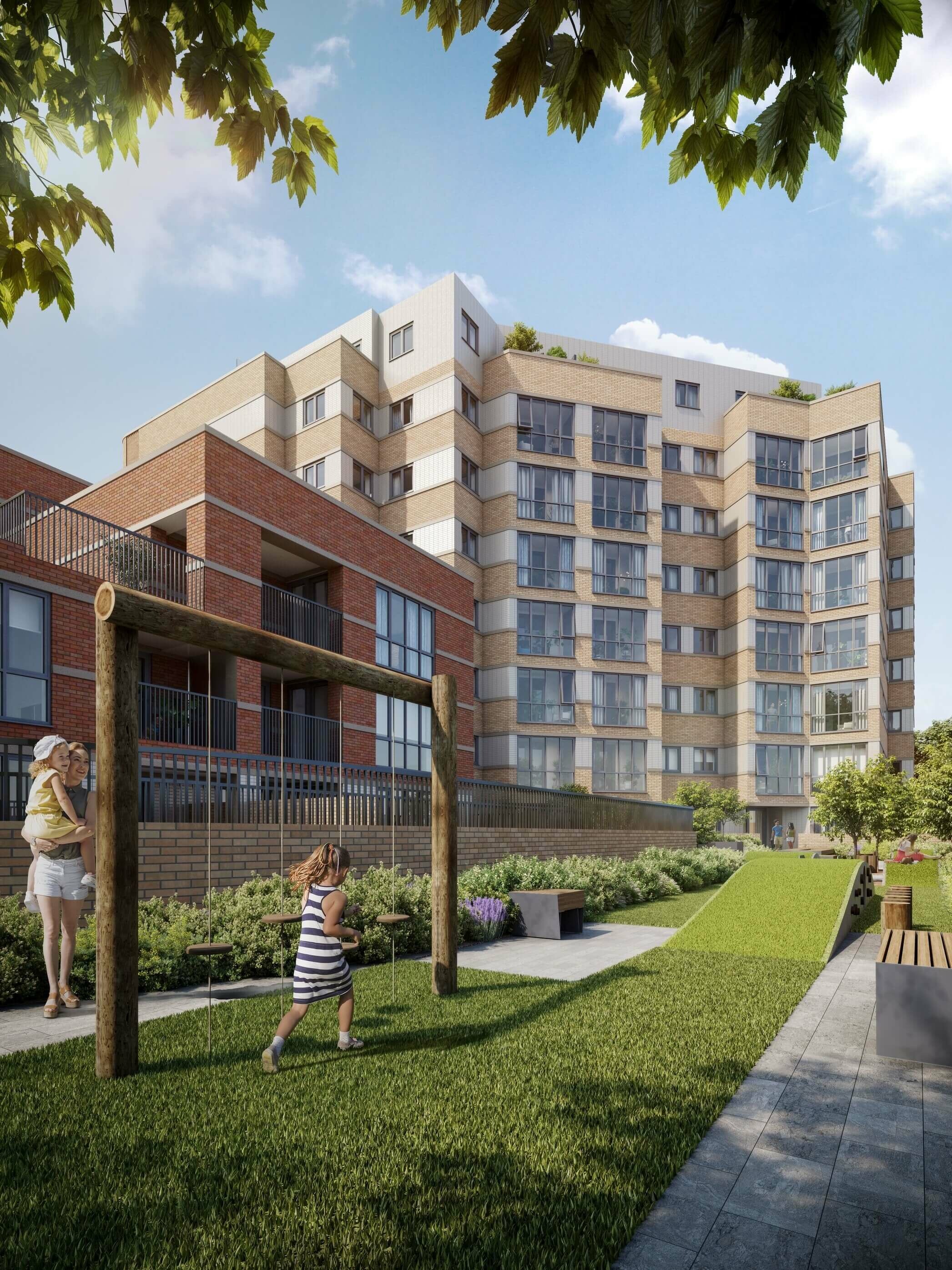

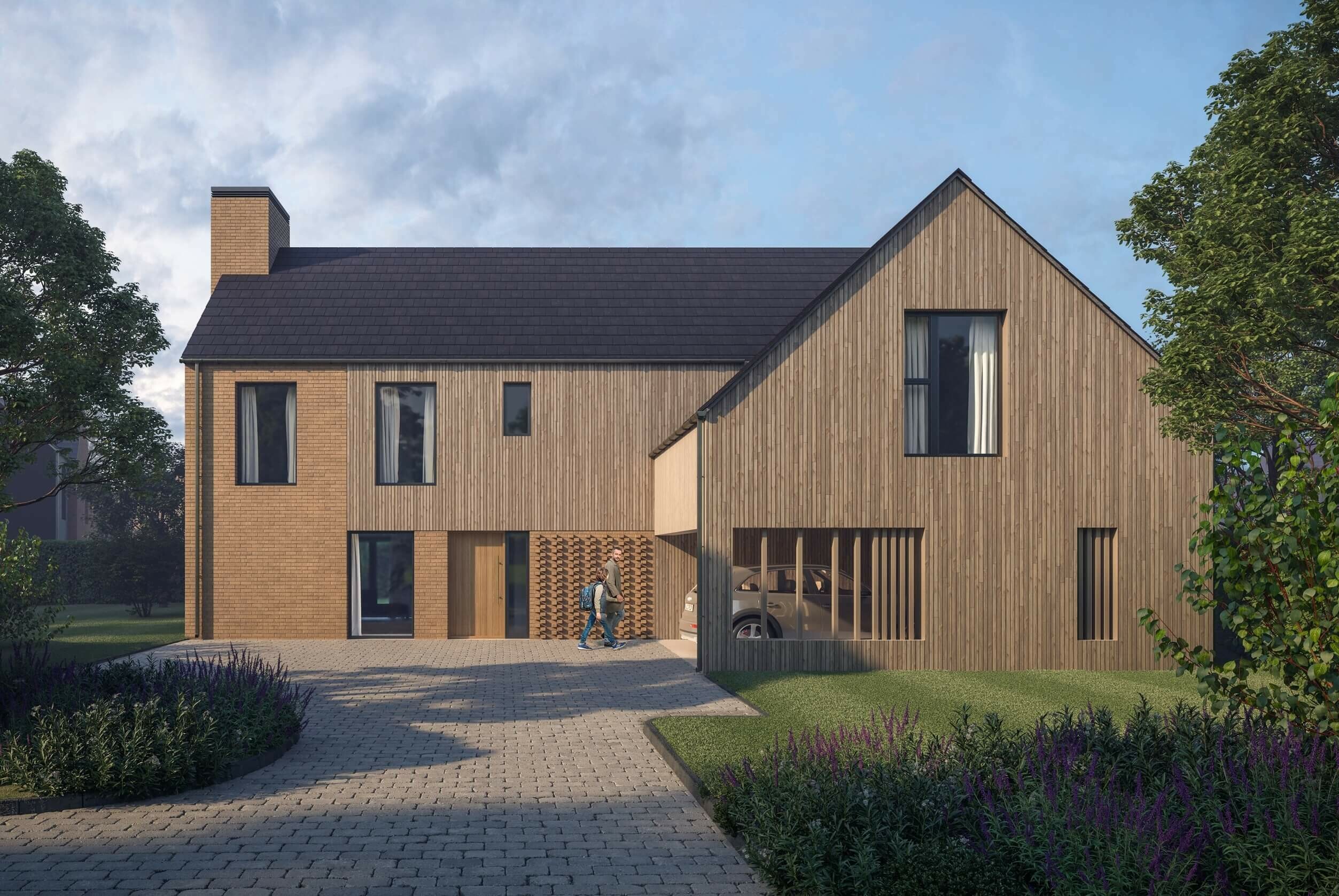
Architectural elements like skylights, light shelves, and clerestory windows maximise natural light penetration, reducing reliance on artificial lighting.
Strategically placed windows and building orientation can create natural air flow, reducing the need for mechanical ventilation systems.
Using recycled content, locally sourced, or rapidly renewable materials like bamboo or hemp can significantly reduce the environmental footprint of construction. Some examples include:
Self-Healing Concrete
Traditional concrete used in everyday construction is associated with high carbon emissions and its vulnerability to cracking, which necessitates regular maintenance.
We anticipate to see increased use of self-healing concrete—an innovative material capable of repairing cracks using a smart bacteria which fills in gaps when a crack appears. This material, will prolong structural lifespans and limit maintenance requirements which creates more CO2 output.
Perforated Metal & Transparent Aluminium
We can also expect to see more use of perforated metal and transparent aluminum. Their design supports natural ventilation and daylighting, enhancing energy efficiency whilst also guaranteeing structural integrity thanks to it’s high tensile strength in relation to its weight.
Bamboo and Reclaimed Wood
Bamboo and wood are renewable resources used in construction for centuries. Recognised for their minimal environmental impact and integral role in carbon reduction, these materials contribute to improvement of the environmental footprint by absorbing and storing carbon dioxide.
We can also anticipate that there will be a greater focus on implementing environmentally friendly sources such as solar, wind, and geothermal power into design.
Architectural elements like skylights, light shelves, and clerestory windows maximise natural light penetration, reducing reliance on artificial lighting.
Strategically placed windows and building orientation can create natural air flow, reducing the need for mechanical ventilation systems.
Using recycled content, locally sourced, or rapidly renewable materials like bamboo or hemp can significantly reduce the environmental footprint of construction. Some examples include:
Self-Healing Concrete
Traditional concrete used in everyday construction is associated with high carbon emissions and its vulnerability to cracking, which necessitates regular maintenance.
We anticipate to see increased use of self-healing concrete—an innovative material capable of repairing cracks using a smart bacteria which fills in gaps when a crack appears. This material, will prolong structural lifespans and limit maintenance requirements which creates more CO2 output.
Perforated Metal & Transparent Aluminium
We can also expect to see more use of perforated metal and transparent aluminum. Their design supports natural ventilation and daylighting, enhancing energy efficiency whilst also guaranteeing structural integrity thanks to it’s high tensile strength in relation to its weight.
Bamboo and Reclaimed Wood
Bamboo and wood are renewable resources used in construction for centuries. Recognised for their minimal environmental impact and integral role in carbon reduction, these materials contribute to improvement of the environmental footprint by absorbing and storing carbon dioxide.
We can also anticipate that there will be a greater focus on implementing environmentally friendly sources such as solar, wind, and geothermal power into design.
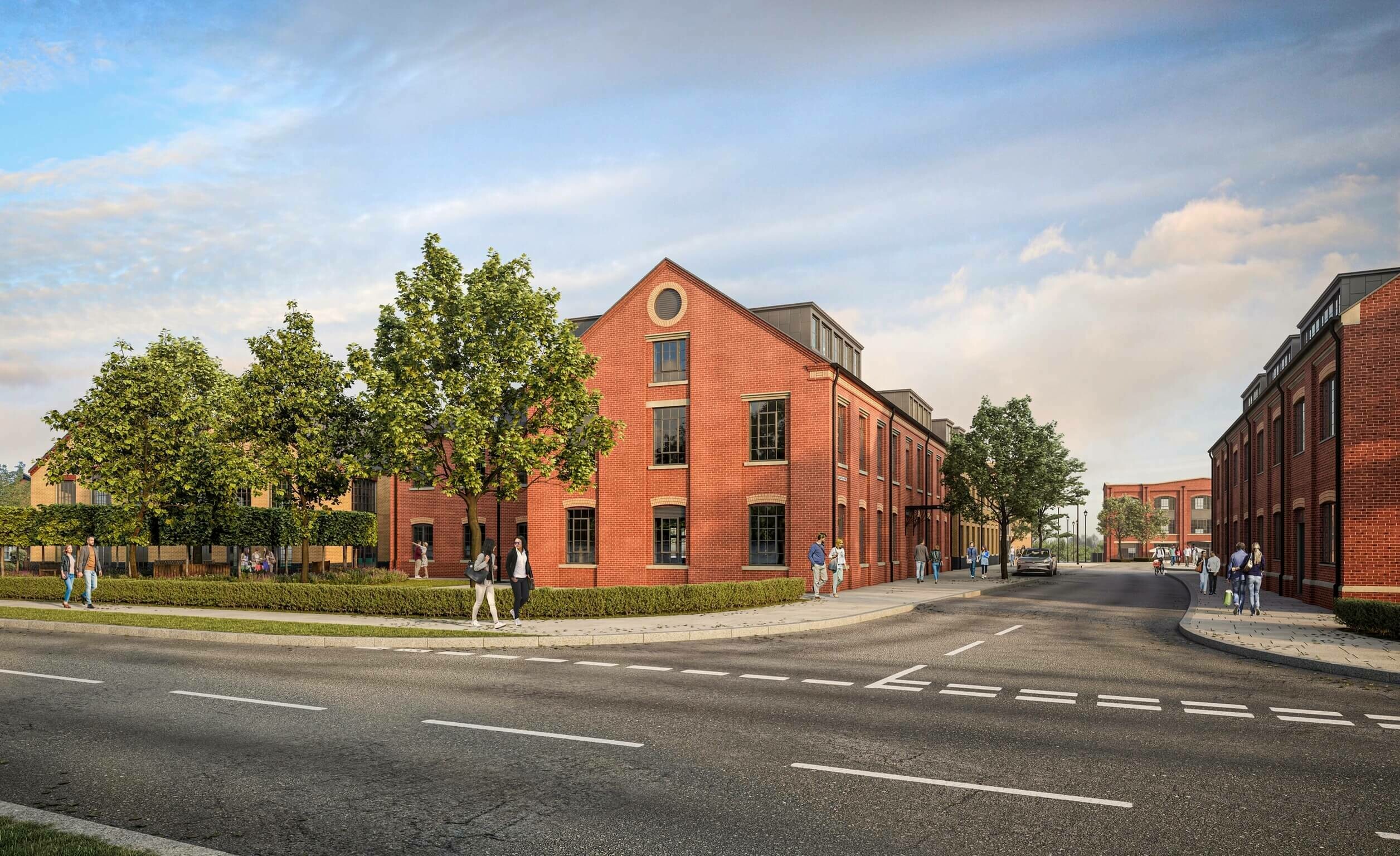
No, it’s not possible to create a perfectly sustainable building. However, great design and construction shouldn't come at an environmental cost, instead, rather work in a sustainable relationship with the environment and create minimal impact.
No, it’s not possible to create a perfectly sustainable building. However, great design and construction shouldn't come at an environmental cost, instead, rather work in a sustainable relationship with the environment and create minimal impact.
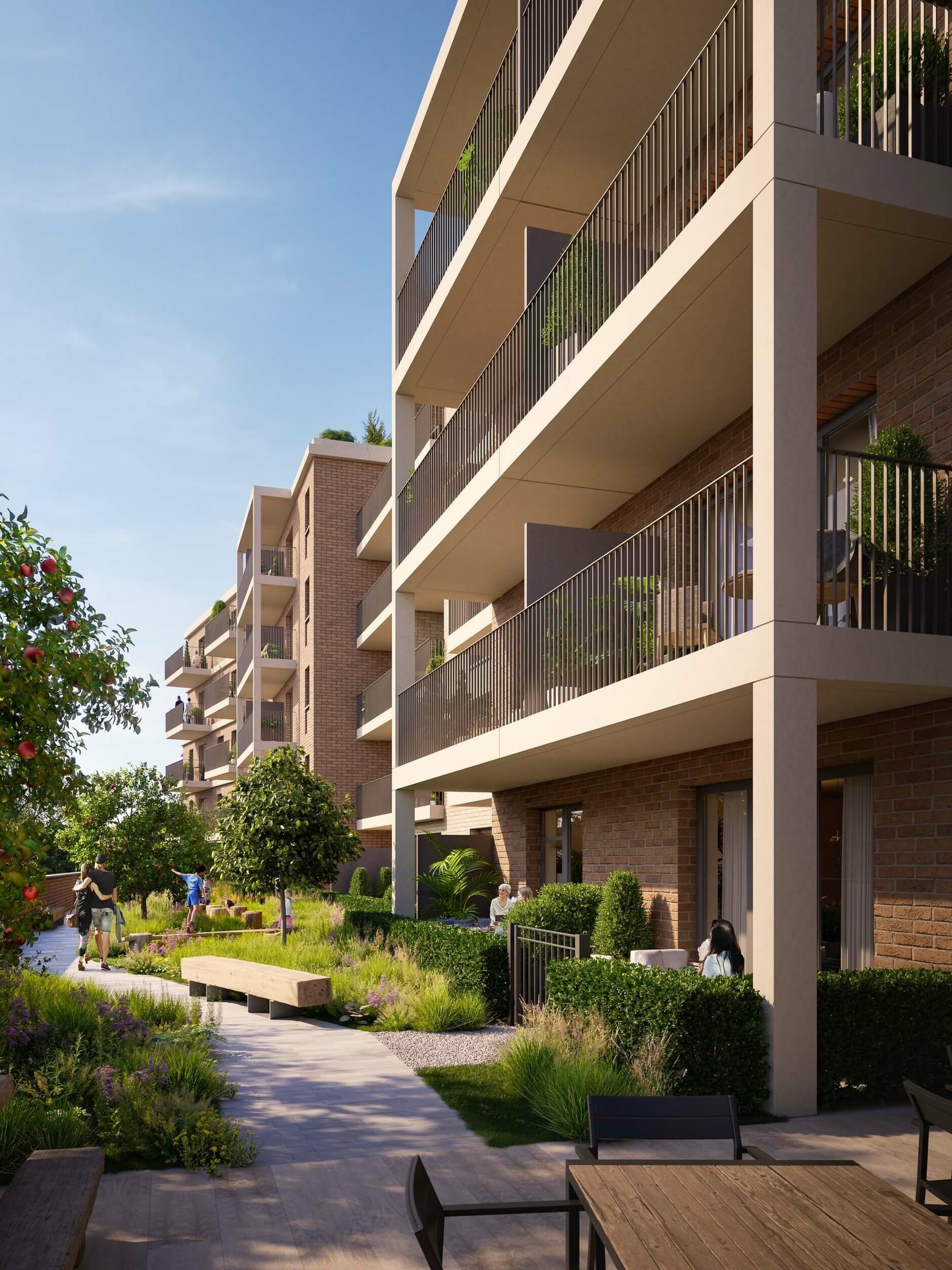
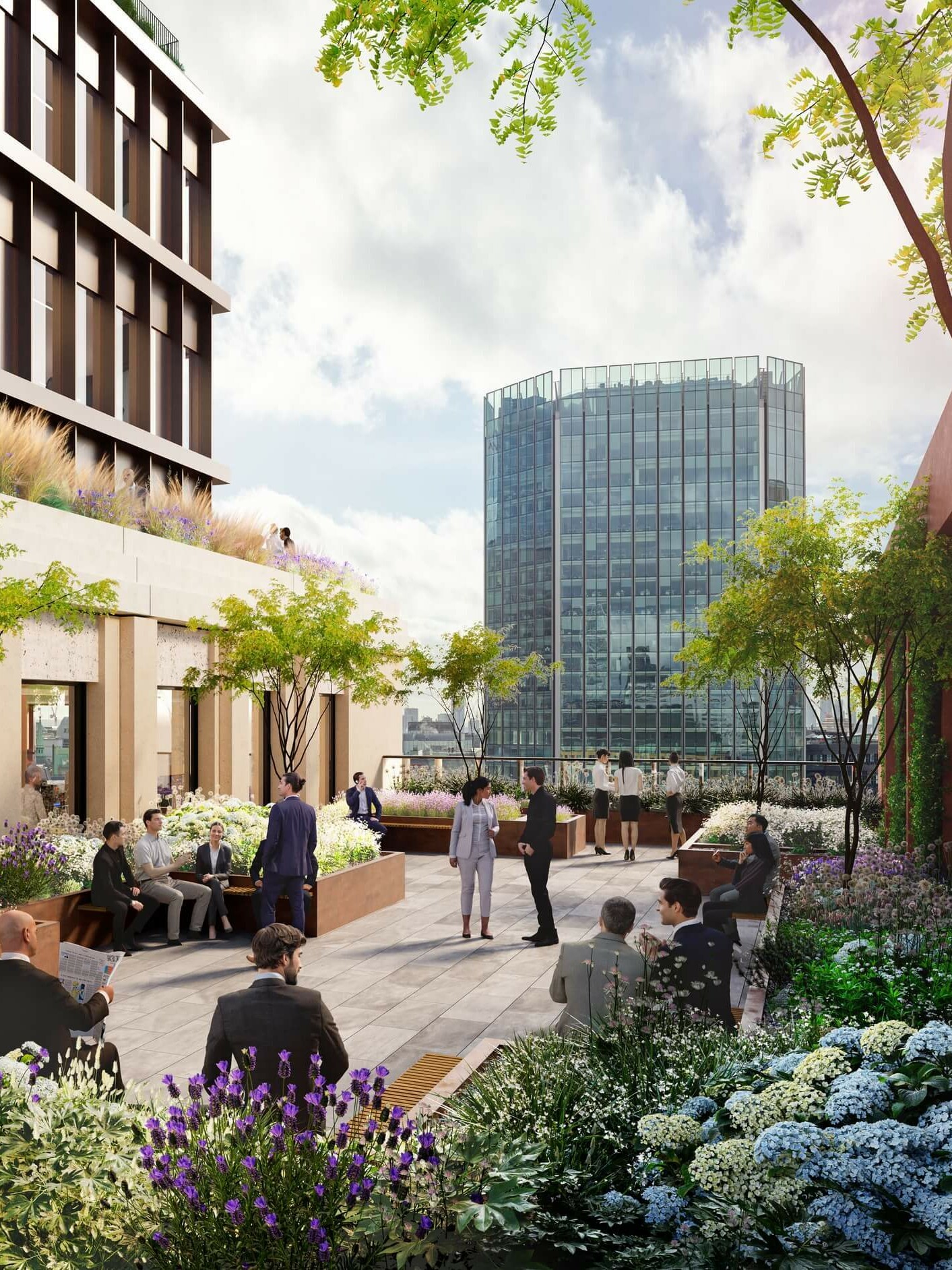
Now is an exciting time to be in the arch world. As awareness for the environmental challenges grows, so does the demand for sustainable construction and innovation. We can anticipate a surge in the construction of buildings utilising renewable energy sources, responsible materials, and a focus on promoting the health and well-being of occupants.
Now is an exciting time to be in the arch world. As awareness for the environmental challenges grows, so does the demand for sustainable construction and innovation. We can anticipate a surge in the construction of buildings utilising renewable energy sources, responsible materials, and a focus on promoting the health and well-being of occupants.
Share

London
The Stanley Building
7 Pancras Square
London
N1C 4AG
+44 (0)20 3117 2580
info@glass-canvas.co.uk
Sheffield
107 Hague
Park Hill
South Street
Sheffield S2 5GS
+44 (0)114 461 0060
info@glass-canvas.co.uk
Privacy & Cookies
© 2026
London
The Stanley Building
7 Pancras Square
London
N1C 4AG
+44 (0)20 3117 2580
info@glass-canvas.co.uk
Sheffield
107 Hague
Park Hill
South Street
Sheffield S2 5GS
+44 (0)114 461 0060
info@glass-canvas.co.uk
Sign-up for relevant industry updates.
© 2026
